
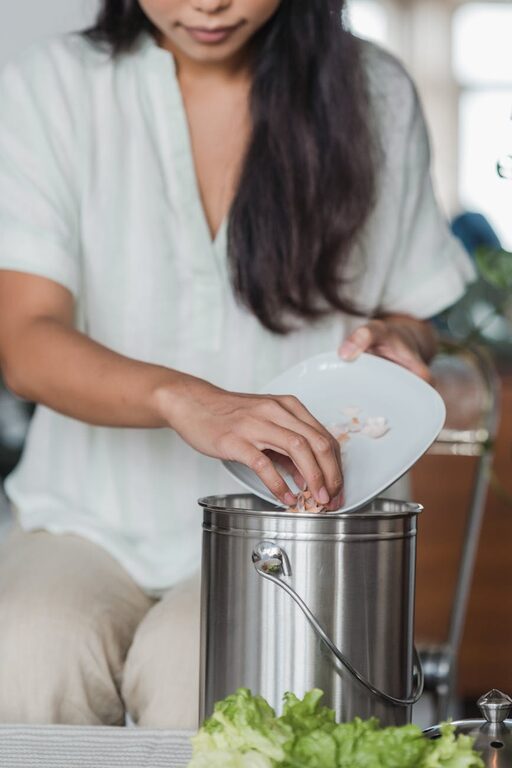
Composting at home is a wonderful way to reduce kitchen and yard waste while creating nutrient-rich soil for your garden. Whether you have a spacious backyard or a small balcony, composting can fit into your lifestyle and contribute positively to the environment. If you’re new to composting, it might seem complicated, but with a few beginner tips, you can start a thriving compost pile that benefits both your plants and the planet.
What is Composting?
Composting is the natural process of recycling organic materials like food scraps and yard waste into a dark, crumbly soil amendment called compost. This material improves soil quality by adding nutrients and helping retain moisture. It’s an eco-friendly way to reduce landfill waste and lower your carbon footprint.
Why Start Composting at Home?
– Reduce Waste: Composting redirects organic waste from landfills.
– Improve Soil: Compost enriches soil, making plants healthier.
– Save Money: Use homemade compost instead of store-bought fertilizers.
– Help the Environment: Reduce methane emissions from landfills.
Getting Started: Beginner-Friendly Composting Tips
1. Choose the Right Compost Bin or Area
Decide where you want to compost. Options include:
– Compost Bin: A contained bin works well for small spaces and helps keep pests away.
– Compost Pile: Ideal for larger yards, simply pile materials in a dedicated area.
– Tumbler: A rotating bin that speeds up composting and is easy to turn.
– Vermicomposting: Using worms to compost indoors or in small spaces.
Pick a spot with good drainage and partial sunlight to encourage decomposition.
2. Know What to Compost: Greens and Browns
Balanced composting needs a mix of:
– Greens (Nitrogen-rich): Vegetable scraps, coffee grounds, grass clippings, fruit peels.
– Browns (Carbon-rich): Dry leaves, shredded paper, cardboard, straw, wood chips.
Avoid adding meats, dairy, oily foods, and pet waste, as these can attract pests and cause odors.
3. Preparing Materials
– Chop or shred larger items to speed decomposition.
– Avoid adding diseased plants or invasive weeds.
– Maintain a ratio of about 2 to 3 parts browns to 1 part greens for best results.
4. Keep it Moist, Not Soaked
Compost needs to be as damp as a wrung-out sponge. If it’s too dry, decomposition slows; too wet leads to bad smells. Water your pile occasionally and mix dry materials if it gets too wet.
5. Turn or Aerate Regularly
Turning your compost every 1-2 weeks introduces oxygen, which helps microbes break down the material faster. If using a bin without a tumbler, simply use a garden fork or shovel to mix.
6. Be Patient – Composting Takes Time
Depending on factors like temperature, materials, and aeration, compost can take from a few weeks to several months to mature. Finished compost is dark, crumbly, and earthy-smelling.
Troubleshooting Common Compost Issues
| Problem | Cause | Solution |
|———————|———————————|————————————|
| Bad Odor | Too wet or too many greens | Add browns, turn pile, reduce moisture |
| Slow Decomposition | Not enough air or moisture | Turn pile, water if dry |
| Pests (Rodents, Flies) | Adding meat, oily foods, or sweet scraps | Remove offending items, use closed bin |
| Compost Pile Too Dry | Lack of water | Add water and moist greens |
Using Your Finished Compost
Once your compost is ready, incorporate it into your garden beds, use it as potting soil amendment, or mix it into lawn soil. It enhances soil structure, improves drainage, and provides nutrients that help plants thrive.
Bonus: Composting Tips for Small Spaces
– Use a worm bin (vermicomposting) indoors.
– Collect kitchen scraps in a small container before transferring to a community compost spot.
– Consider bokashi composting—an anaerobic fermentation process suitable for apartments.
Final Thoughts
Starting to compost at home is an easy, rewarding way to reduce waste and garden better. With a little time and attention to balance and moisture, your compost will flourish, helping you grow healthier plants and contribute to a greener planet. Give it a try—you might be surprised by how simple and satisfying composting can be.
Happy composting!